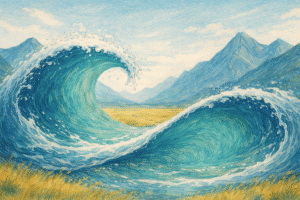
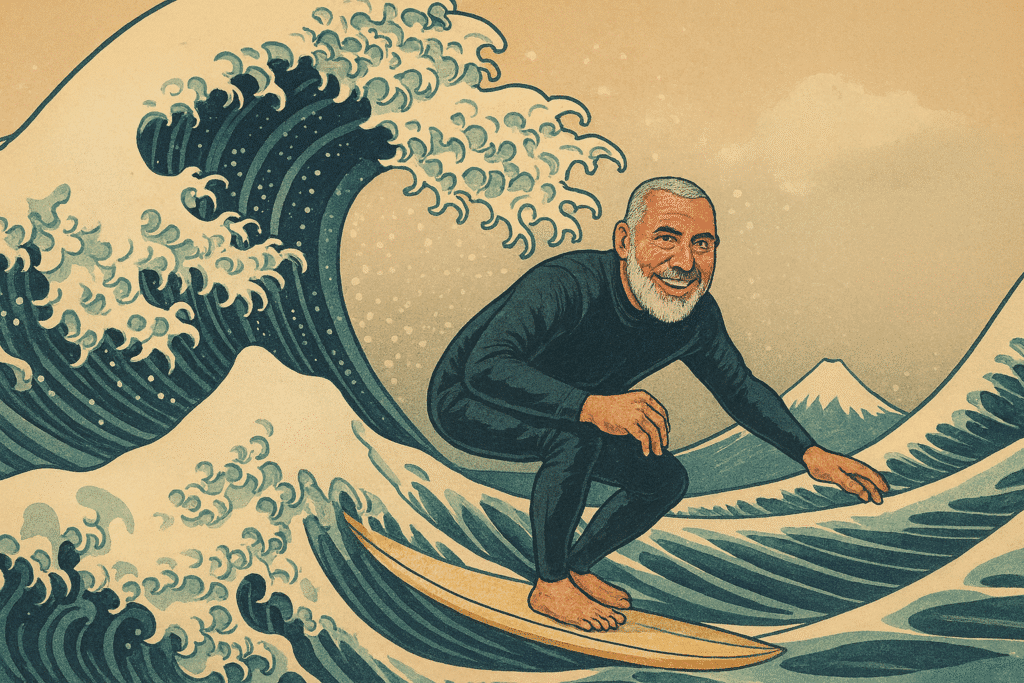
It’s not even 4AM yet and Creative Energy Wake-Up Syndrome has struck again. Why? Too many post ideas rising to the surface, demanding to be let out. So here I am, laptop in bed, no coffee yet, applying “the 5AM rule.” Such is the fate of the creative outlaw—someone who doesn’t get to choose when the waves arrive, only whether to ride them.
Life as a creative is about learning to ride those waves. And a wave is the perfect analogy.
The Outlaw Surfer
Big wave surfing has always had its outlaws—those who refuse to accept limits, even when the rest of the world says, you can’t do that. Laird Hamilton, the most famous big-wave surfer in the world, trained in Hawaii by doing things as unorthodox as balancing on golf balls. A natural outlaw—handsome, driven, defiant—he broke every convention.
When Garrett McNamara set his sights on Nazaré, Portugal, the surfing world laughed. The waves were considered impossible, too chaotic to ride. Fellow surfers like Laird said he was reckless, even foolish—that he had lost it. But like Hamilton before him, McNamara refused to play by the rules. He became an outlaw in his own right.
Today, Nazaré is the most famous big-wave spot in the world. What was once “unridable” is now the stage for the greatest rides of all time.
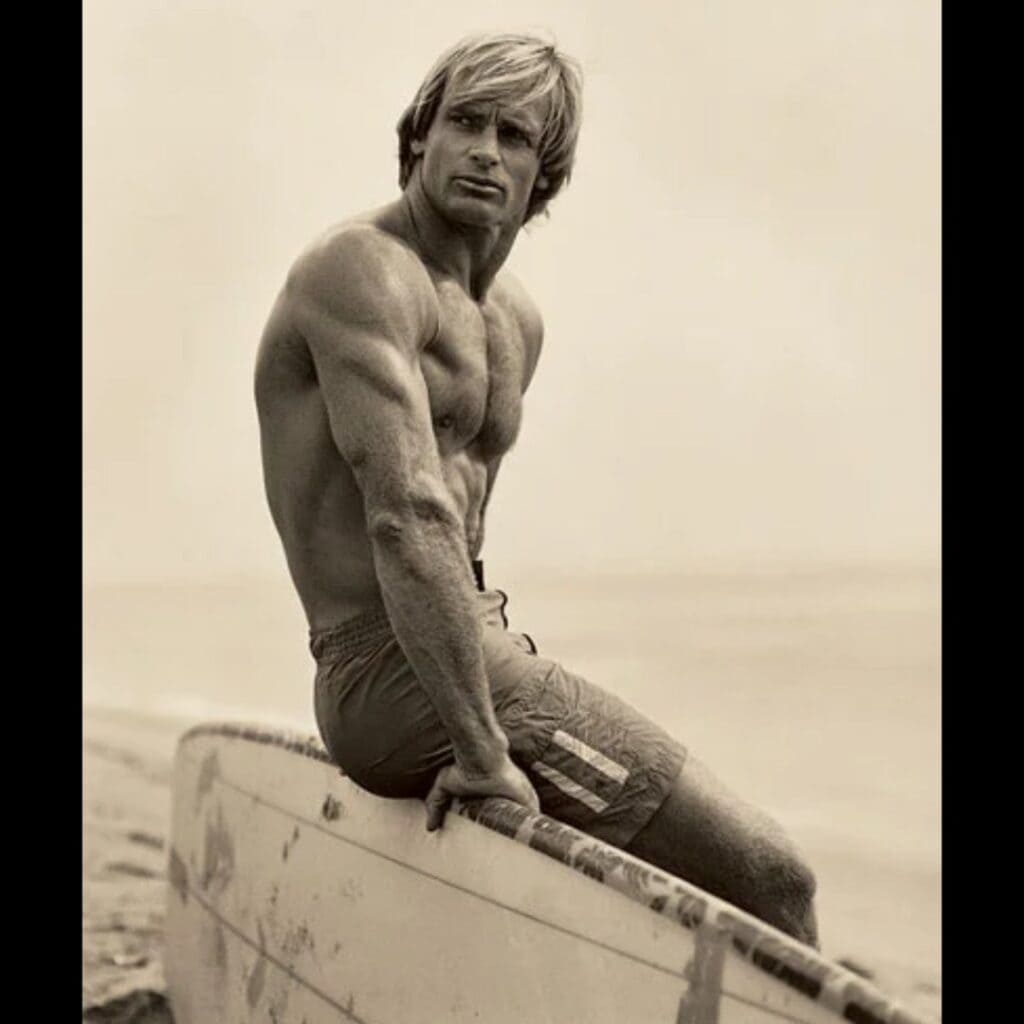
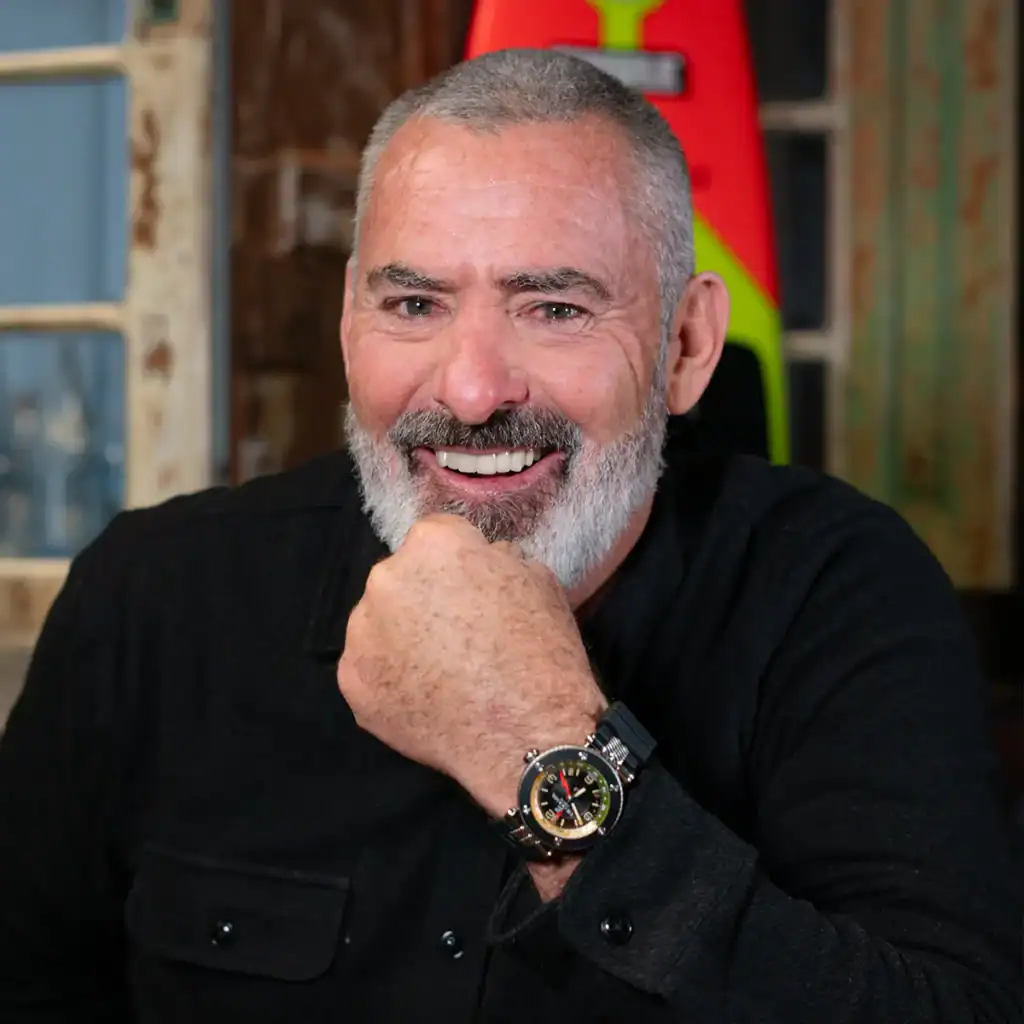
Outlaw Lineage: Hamilton & McNamara
It’s worth noting: Laird Hamilton (born 1964) is a few years older than Garrett McNamara (born 1967). Hamilton was the original outlaw—pioneering tow-in surfing, breaking every convention, and showing the world what was possible when you stopped playing by the rules.
McNamara came later, but he carried that same outlaw spirit to Nazaré. Where Hamilton pushed limits in Hawaii, McNamara proved the “unridable” European waves could be conquered. One broke the rules to invent new ones. The other broke the rules to chase the impossible. Together, they embody what it means to live as a creative outlaw.
Pioneering new ways to surf big waves is highly creative. It fits perfectly with Rick Rubin’s definition of creative in his book – “The Creative Act”.
The Creative Outlaw
The same is true for life as a creative. When a surge of energy hits, it feels like dropping into a 100-foot wave. It’s intoxicating, exhilarating, and—if you manage to stay on your board—unlike anything else in the world. You can produce at a level most people can’t even imagine.
But the outlaw path is never safe. Push too far, ride too recklessly, or ignore the warning signs, and the crash comes. Sometimes it comes anyway. That’s why I’ve built rules for myself—the 2AM rule, the Ride the Wave rule, and others I’ll share in time (like the “Woman on the Cliff” rule). These rules don’t stop the storms, but they help me survive them.
After the Wave
Even when you ride the wave successfully, there’s always a letdown. The adrenaline fades. The high gives way to stillness. Sometimes that calm feels like peace; other times it feels like emptiness. That’s the cycle. Storm, surge, crash, calm.
If you’re in the middle of the storm right now, know this: it will pass. Calm always returns, even if you can’t see it yet. The outlaw’s job isn’t to fight the storm but to ride it as best they can—and then accept the calm when it comes.
The life of a creative outlaw is risky. The waves can break you. But they can also carry you to places most people will never touch.