A lot of people ask me: what does it really mean to be an outlaw?
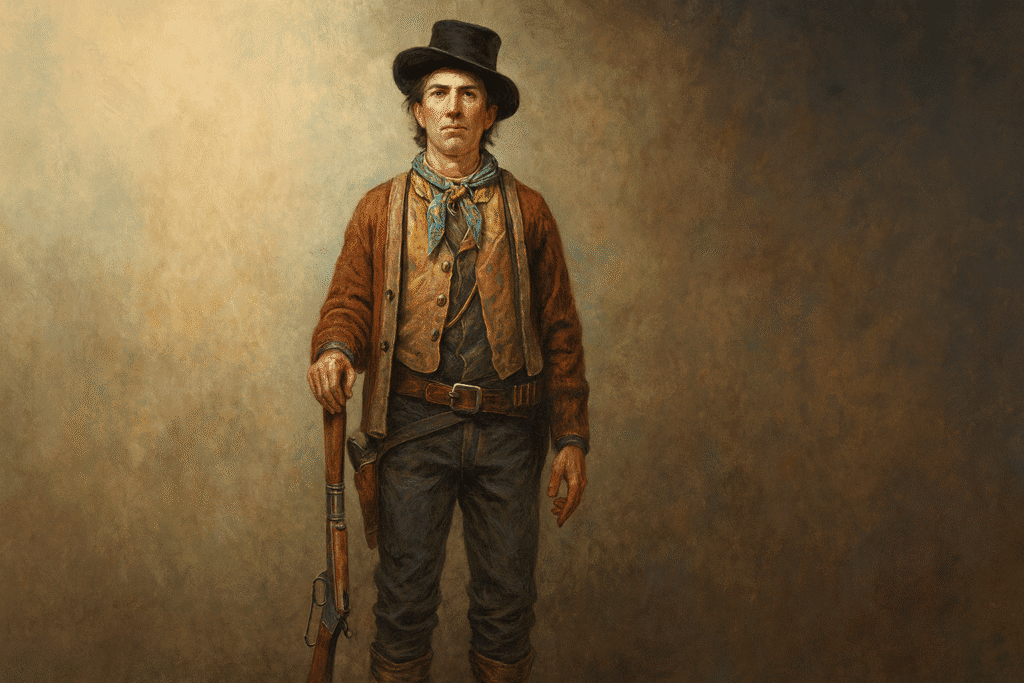
Before I bought my place in Bozeman, Montana, I always thought of an outlaw in the traditional sense—someone who breaks the law. Think Billy the Kid. The classic Western outlaw.
But here in Montana, “outlaw” carries a more nuanced meaning. If you’ve ever watched the Yellowstone series, you know that each of the main characters—Rip, Beth, John, Kayce—was an outlaw in their own way.
SIDE NOTE: I live in the Cattail Creek neighborhood, home to a great local spot called Outlaw Brewing. In the tasting room, they even have full-size cutouts of the Yellowstone cast. If you’re ever in Bozeman, check it out—it’s a lot of fun.
So what made those characters “outlaws”? They always did what they thought was right. Did that mean breaking the law? Sometimes-yes. But they never let rules or systems get in the way of protecting what mattered most—the family ranch, their legacy, their way of life.
And that’s the connection I see with entrepreneurship and creativity. Sometimes you have to bend—or even break—the rules. My definition of an outlaw is anyone willing to go “rails on edge”—to ride that fine line between control and chaos.
If you’ve ever put yourself out there—whether through art, writing, music, or launching a business—you know what I mean. The risk of failure is real. The sting of criticism cuts deep. When you put a piece of your soul into the world and someone stomps on it, it hurts. A lot.
But that’s what makes it outlaw work. You do it anyway.
Here are just a few of the people I consider outlaws—people I’ll be writing more about in future profiles. For now, I’ll link to something about them, and you can decide for yourself why they make my list:
- Glen Plake
- Isaac Spotts
- 399
- Rick McIntyre
- Led Zeppelin
- Owen Leeper
- Thomas Edison
- Steve Jobs
- Theodore Roosevelt
- John Muir
It’s a short list for now. But it’s only the beginning. Stay tuned.