Last week the pigeons tried to peck me again.
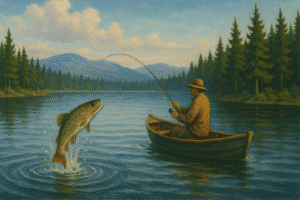
If you’ve read me for a while, you know I talk a lot about riding the creative wave. I use metaphors like waves, fishing, and putting content in the can. But lately, I’ve been in a dry spell. The ideas just haven’t been flowing the way they usually do.
I’ve still been writing plenty—mostly about entrepreneurship and personal finance—but those topics draw from a different reservoir. They come from knowledge, not inspiration. I can always teach people about markets, discipline, and business building. That’s muscle memory. Creativity, though, requires something else entirely.
Three Levels of Creative Energy
Over the years, I’ve realized that my writing flows on three levels:
- Personal Finance: Pure function. It’s what I know best—no emotional spark required.
- Entrepreneurship: The middle ground. It needs a mix of logic and fire.
- Creativity: The deepest well. This one comes from the soul. It’s the writing that requires heart, vulnerability, and risk.
When my creative energy is blocked, I can still write about the first two. In fact, that’s usually what I do—shift gears into what I call technical waters.
I talked about this in a past post, Creativity Comes in Waves — Here’s How to Ride Them. When the wave flattens, I don’t fight it. Instead, I pour energy into the strategic side: optimizing my WordPress site, refining analytics, building custom audiences, managing finances, organizing content calendars, improving SEO. These things don’t require inspiration; they just require consistency.
It’s not glamorous, but it’s how I stay productive without burning out. When the creative surf dies down, I paddle through the calm until the next set rolls in.
Relearning My Own Lesson
This morning, I reread one of my earlier posts called The Central Trust—and it reminded me of something I had forgotten: you can’t force the flow.
When I’m blocked, my instinct is to double down—to work harder, analyze more, grind through it. But that’s exactly the wrong move. The lesson in The Central Trust is that the creative spark doesn’t return because you push—it returns because you let go.
So instead of staying at the keyboard, I walked away. I went outside.
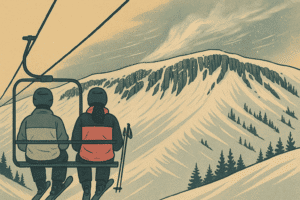
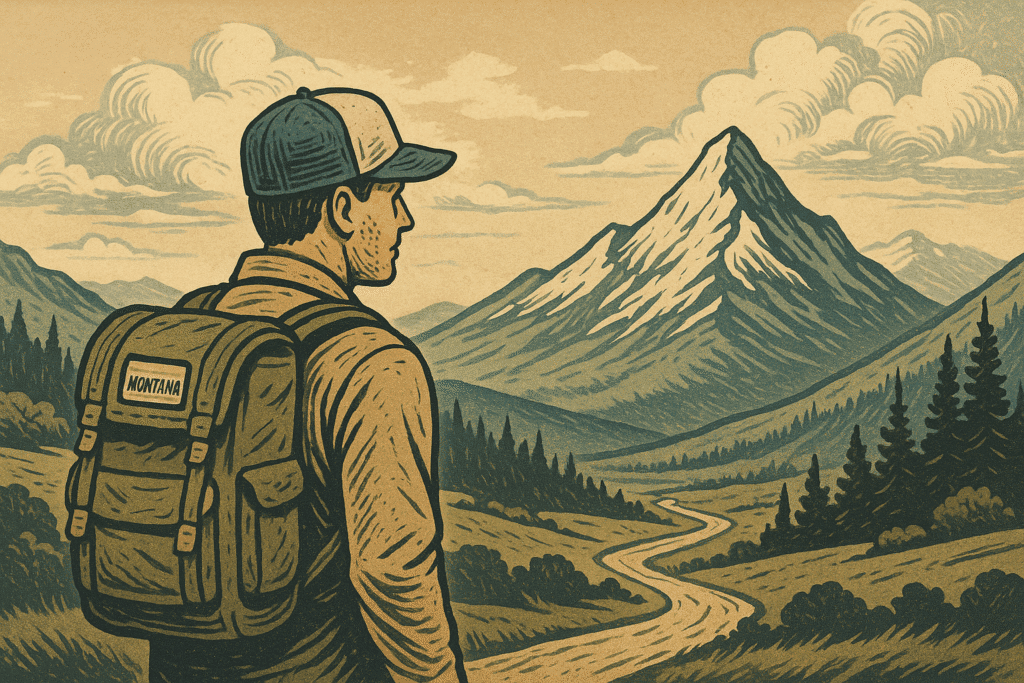
That’s how I recharge my Central Trust: hiking, skiing, music, long drives, and taking in beautiful things. Those experiences aren’t distractions—they’re fuel. They clear the static and reconnect me to what matters.
It’s like skiing. Every season, I have to remind myself of the same truths:
- Don’t get in the back seat.
- Move forward early in the turn.
- Trust your edges.
Creativity works the same way. You can’t muscle it. You have to trust your process and lean into motion, not tension.
Teaching, Learning, and Getting Back Up
I also realized something else rereading my own writing: we learn more from teaching than from doing.
When I taught my kids skiing, I had to break down my habits and explain the small movements that made big differences. Writing is no different. Teaching others about creativity forces me to understand my own cycle better—and to recognize when I’m ignoring my own advice.
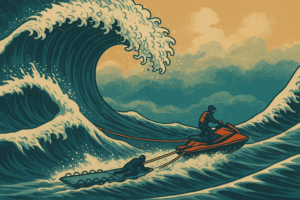
Jim Carrey once said, “It’s not about how many times you fall off the surfboard. It’s about how many times you get back on.”
That’s true for skiing, surfing, entrepreneurship, relationships—everything.
The Takeaway: The Wave Always Returns
Creativity isn’t a faucet you turn on and off. It’s a tide. When it pulls away, the answer isn’t to chase it—it’s to keep moving in ways that nourish your spirit until it rolls back in.
Do the technical work when you can’t find the flow. But when you feel that familiar tug of exhaustion, stop forcing it. Step outside. Move. Listen to music. Look at something beautiful.
Because the wave always returns. And when it does—you’ll be ready to ride it.